
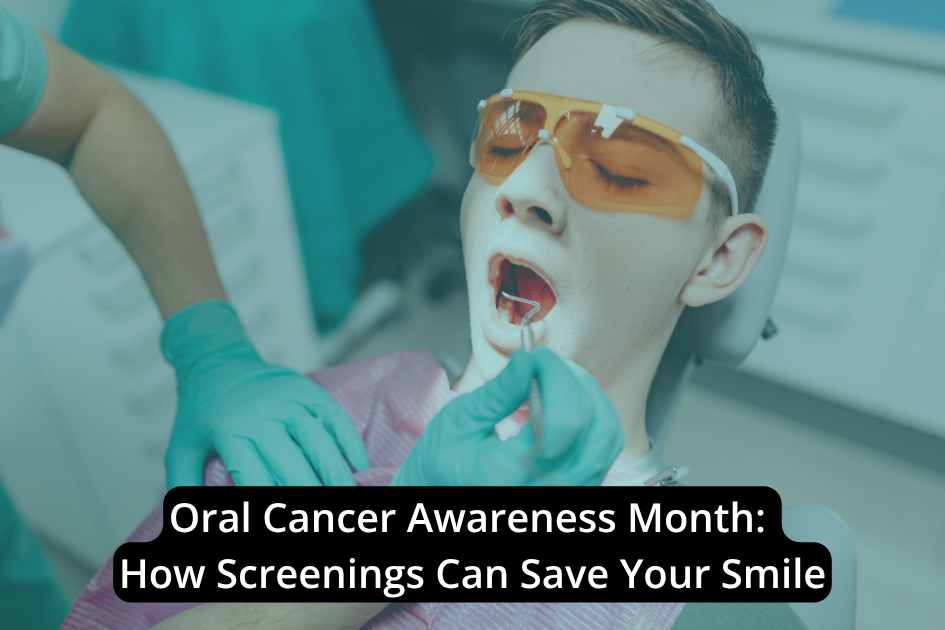
Oral Cancer Awareness Month: How Screenings Can Save Your Smile
Imagine a small crack in a window that, if ignored, could lead to shattered glass and a costly repair. Regular dental screenings act as our early warning system, identifying potential issues like oral cancer before they escalate. By staying proactive, we not only protect our smiles but also enhance our overall health. So, how do these screenings work, and what can we do to guarantee we’re taking the right steps for our oral well-being?
What Is Oral Cancer Awareness Month?
April marks Oral Cancer Awareness Month, an essential time for us to focus on prevention and early detection. By understanding the significance of oral health screenings, we can better recognize the role dentists play in diagnosing and preventing this serious condition. Together, let’s take proactive steps towards maintaining our oral health and raising awareness in our community.
Why April Highlights Oral Cancer Prevention
As we recognize Oral Cancer Awareness Month, it’s essential to understand the importance of early detection and prevention in combating this serious health issue. This April, we emphasize oral hygiene and the role it plays in reducing risk. Community outreach initiatives help educate our neighbors about the dangers of oral cancer and promote healthy habits. Through risk education, we empower individuals to recognize warning signs and make informed choices. By actively participating in screenings and spreading awareness, we can collectively work towards minimizing the impact of oral cancer and ensuring healthier smiles for everyone in our community.
The Importance of Early Detection in Oral Health
Recognizing the signs of oral cancer is essential for maintaining our overall health. Early intervention can greatly improve outcomes, making regular screenings crucial. Through patient advocacy and community awareness, we can educate ourselves on risk factors and symptoms. Education initiatives empower us to take charge of our oral health, while health partnerships enhance access to essential screening benefits. By prioritizing risk assessment, we identify potential issues before they escalate. Support resources are available to guide us through this journey. Together, we can foster a culture of awareness and proactive care, ensuring healthier smiles for everyone in our community.
How Dentists Play a Role in Prevention and Diagnosis
While many of us may not think about oral cancer regularly, it’s crucial to understand how dentists play an important role in its prevention and diagnosis, especially during Oral Cancer Awareness Month. Through preventive care, our dental professionals perform screenings that can catch early signs of oral cancer, greatly improving outcomes. These screening benefits not only help identify potential issues but also educate us on maintaining oral health. By partnering with our dentists, we empower ourselves with knowledge and tools to safeguard our smiles. Regular check-ups are essential for early detection and effective intervention, ensuring a healthier future for all.
What Is Oral Cancer and Who Is at Risk?
Oral cancer encompasses various types, and understanding it is essential for our health. We should be aware of the risk factors that elevate our chances of developing this condition, as it often goes undetected in its early stages. By staying informed, we can better protect ourselves and promote proactive screenings.
Common Types of Oral Cancer
Oral cancer continues to affect a significant number of people each year in the United States, making awareness and early detection more important than ever. Common types include squamous cell carcinoma, which develops in the lining of the mouth, as well as cancers that affect the lips. Many people believe oral cancer only impacts heavy smokers or drinkers, which allows common myths to persist. In reality, factors such as HPV, sun exposure, and poor nutrition can also increase risk. By understanding these causes and challenging misconceptions, we can better recognize the importance of routine screenings. Together, let’s stay proactive about our oral health and focus on prevention and early detection.
Risk Factors to Be Aware Of
Recognizing the risk factors for oral cancer is essential for effective prevention and early detection. By understanding these factors, we can utilize screening techniques and conduct thorough risk assessments. Here are three key risk factors to be aware of:
- Tobacco Use: Smoking and chewing tobacco greatly increase the likelihood of developing oral cancer.
- Alcohol Consumption: Excessive alcohol intake raises risk levels, especially when combined with tobacco.
- HPV Infection: Certain strains of the human papillomavirus are linked to oral cancers.
Why Oral Cancer Can Go Undetected Early
While many people may not realize it, oral cancer can often go undetected in its early stages due to subtle symptoms that mimic other conditions. We must prioritize oral hygiene and risk awareness, as lifestyle choices greatly influence our health. Screening benefits arise from regular evaluations and early intervention, making health screenings essential. Through patient education and community outreach, we empower ourselves to recognize warning signs. Advanced dental technology enhances detection capabilities, allowing for timely treatment. By fostering awareness and engaging in proactive care, we can work together to combat oral cancer effectively and safeguard our smiles for the future.
Signs and Symptoms You Should Never Ignore

When it comes to our oral health, we must pay attention to signs that could indicate serious issues. Persistent sores, difficulty chewing, or changes in our mouth can’t be overlooked. Recognizing these symptoms early allows us to schedule a dental evaluation and take proactive steps for our well-being.
Persistent Sores, Lumps, or Discoloration
Persistent sores, lumps, or discoloration in the mouth can signal underlying health issues that deserve immediate attention. We should never ignore these persistent symptoms, as they may indicate something more serious. Here are key signs to watch for:
- Sores that don’t heal within two weeks.
- Lumps that feel hard or change in size.
- Discoloration that appears suddenly or differs from surrounding tissue.
Recognizing these signs early can lead to timely intervention and various treatment options. Staying informed and proactive about our oral health is essential for maintaining a healthy smile. Let’s prioritize our well-being together!
Difficulty Chewing, Swallowing, or Speaking
Recognizing signs of discomfort in our mouths is essential, especially when it affects basic functions like chewing, swallowing, or speaking. Chewing difficulties can lead to eating concerns, while swallowing issues might indicate underlying health problems. Speech challenges often stem from oral discomfort, creating communication barriers that affect our daily lives. If we find ourselves struggling with these functions, it’s vital to seek professional advice. Ignoring these symptoms can worsen our situation and impact our quality of life. Regular screenings can help us address these issues early, ensuring our smiles remain healthy and functional for years to come.
Changes in Your Mouth, Tongue, or Throat
Have you noticed any unusual changes in your mouth, tongue, or throat? It’s vital to pay attention to these signs, as they can indicate underlying issues. Here are some symptoms we should never ignore:
- Tongue Changes: Any discoloration, swelling, or texture alterations can signal health concerns.
- Throat Discomfort: Persistent pain or difficulty swallowing may require immediate attention.
- Mouth Lesions: Sores or lesions that don’t heal within two weeks could indicate a serious condition.
Maintaining good oral hygiene is essential, but recognizing these symptoms is equally important for our overall health. Let’s stay vigilant!
When to Schedule a Dental Evaluation
Why wait until discomfort becomes unbearable? We should recognize key signs that indicate it’s time for a dental evaluation. Persistent pain, swollen gums, or changes in bite are serious signals we can’t ignore. Scheduling reminders can help us stay proactive about our oral health. The dental evaluation benefits are numerous; early detection of issues can save us from more extensive treatments later. By prioritizing our dental check-ups, we not only maintain our smiles but also guarantee our overall health. Let’s commit to regular evaluations and empower ourselves with the knowledge needed for a healthier future.
What Happens During an Oral Cancer Screening?
During an oral cancer screening, we’ll guide you through a quick and painless process designed to identify any potential issues. Our dentist examines your mouth for unusual signs, taking only a few minutes to guarantee your peace of mind. Understanding what to expect can help us all prioritize your oral health effectively.
Step-by-Step Overview of the Screening Process
When we conduct an oral cancer screening, we prioritize thoroughness and comfort to guarantee our patients feel at ease. Here’s a step-by-step overview of what to expect:
- Initial Examination: We assess your medical history and discuss any concerns you may have.
- Visual Inspection: Using dental innovations, we examine your mouth for unusual lesions or abnormalities.
- Palpation: We gently feel the lymph nodes and tissues to detect any irregularities.
The screening benefits include early detection and peace of mind, promoting lifelong oral health. We’re here to support you every step of the way!
What Your Dentist Looks For
As we conduct an oral cancer screening, our primary focus is identifying any abnormalities that could indicate potential health issues. We assess your oral hygiene and examine soft tissues for signs of lesions or discoloration. During dental checkups, we also consider lifestyle factors like tobacco use and alcohol consumption, which contribute to risk assessment. Our goal is to provide patient education, helping you understand the importance of preventive care. We aim to alleviate dental anxiety through clear communication and support, fostering wellness partnerships. Our commitment extends to community outreach, ensuring everyone has access to essential health screenings for ideal oral health.
How Long the Screening Takes
While we conduct an oral cancer screening, the process typically takes about 30 minutes. Our main goal is to guarantee patient comfort while effectively evaluating your oral health. Here’s what you can expect during this screening duration:
- Visual Examination: We’ll inspect your mouth, gums, and throat for any abnormalities.
- Palpation: We gently feel the tissues and lymph nodes to check for swelling or unusual lumps.
- Patient Interaction: We’ll discuss any concerns you might have, making sure you feel informed and comfortable.
This thorough approach helps us promote early detection while prioritizing your overall experience.
Why the Exam Is Quick, Painless, and Effective
Following our discussion on the duration and comfort of an oral cancer screening, understanding why this exam is quick, painless, and effective can alleviate any lingering concerns. During our quick examination, we utilize advanced technology to identify any abnormalities with minimal discomfort. The process typically lasts only a few minutes, making it easy to fit into your schedule. We prioritize creating a relaxed environment to help ease dental anxiety, ensuring that you feel at ease throughout the screening. Our compassionate approach not only enhances your experience but also contributes to early detection, making a significant impact on your oral health.
How Early Detection Can Save Your Smile and Health
Early detection plays an essential role in preserving both our smiles and overall health. By identifying issues at their onset, we can greatly improve survival rates and avoid the need for complex treatments. This proactive approach not only protects our oral function but also helps maintain our appearance, ensuring we continue to smile confidently.
Survival Rates with Early Diagnosis
When we prioritize early diagnosis in dental care, we greatly enhance our chances of maintaining both our smiles and overall health. Early detection allows us to implement effective early intervention strategies, leading to improved survival rates. Here’s why it matters:
- Timely Treatment: Catching issues early means we can address them before they escalate.
- Reduced Complications: Innovations in oral health allow for less invasive procedures, minimizing treatment complexity.
- Cost-Effectiveness: Early interventions often lead to lower treatment costs over time.
Preventing Advanced Treatment and Complications
Maintaining our oral health hinges on the ability to detect issues before they become serious. Regular screenings provide significant benefits, allowing us to identify potential problems like cavities or gum disease early on. By addressing these concerns promptly, we can prevent advanced treatment and complications that may require invasive procedures. This proactive approach not only saves us time and money but also enhances our overall health. When we prioritize early detection through screenings, we’re investing in our long-term oral health and well-being. Let’s commit to routine check-ups and embrace the advantages of early intervention for a healthier smile.
Protecting Oral Function and Appearance
By prioritizing regular dental screenings, we can greatly protect both our oral function and appearance. Early detection is key to maintaining healthy smiles. Here are three essential benefits of consistent dental checkups:
- Preventive Care: Regular dentist visits help identify issues before they escalate, ensuring our oral hygiene remains intact.
- Lifestyle Habits: Our dentist can provide nutrition tips and guidance on habits that support oral health.
- Patient Education: Engaging in community outreach and education empowers us to take charge of our dental well-being.
Let’s commit to screenings for a lifetime of vibrant smiles and excellent health!
The Connection Between Oral Health and Overall Health
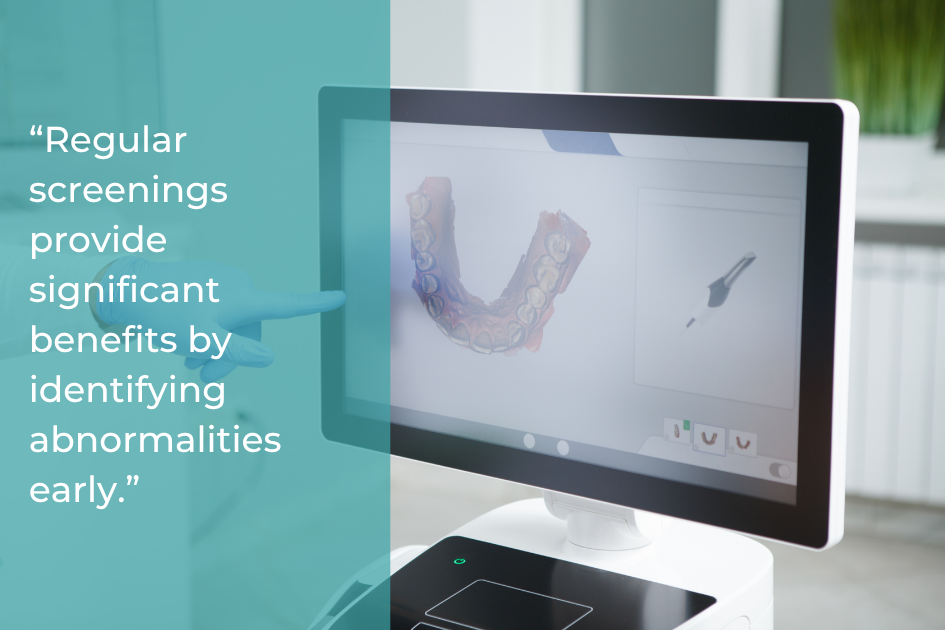
When we think about our health, it’s crucial to recognize the strong connection between oral health and overall well-being. Oral cancer, for instance, can greatly affect our bodies, making preventive dental care essential. Routine dental visits not only help catch issues early but also support long-term wellness, ensuring we maintain healthy smiles and bodies.
How Oral Cancer Impacts the Body
Oral cancer doesn’t just affect the mouth; it can greatly impact our overall health and well-being. It can alter our daily lives in ways we might not expect. Here are three key areas affected:
- Nutritional Factors: Difficulty eating can lead to poor nutrition and weight loss.
- Emotional Impact: The diagnosis can cause anxiety and depression, affecting our mental health.
- Healthcare Access: Treatment options may vary, highlighting disparities based on family history and community awareness.
Why Preventive Dental Care Matters
The far-reaching effects of oral cancer highlight the importance of maintaining our oral health through preventive care. By prioritizing dental hygiene, we can reap significant preventive benefits that extend beyond our mouths. Regular screenings and cleanings allow us to catch issues early, reducing the risk of serious complications. Additionally, a healthy mouth contributes to overall well-being, impacting areas like heart health and diabetes management. When we invest in preventive care, we’re not just safeguarding our smiles; we’re also enhancing our quality of life. Let’s commit to making preventive dental care an integral part of our health routine.
The Role of Routine Dental Visits in Long-Term Wellness
While we often think of dental visits as just a way to maintain our smiles, these appointments play an essential role in our overall health. Regular check-ups enhance our well-being through:
- Preventive Care: Early detection of issues can prevent more serious health problems.
- Patient Engagement: Active participation in our dental health empowers us to make informed choices.
- Holistic Health Connection: Oral health directly impacts conditions like heart disease and diabetes.
How Often Should You Get an Oral Cancer Screening?
When it comes to oral cancer screenings, we should be proactive in understanding how often we need them. For most adults, these screenings are typically included in routine dental visits, but higher-risk patients may require more frequent exams. Let’s explore the recommended frequency and the importance of these screenings for our overall health.
Recommended Frequency for Adults
Understanding the importance of oral cancer screenings can greatly impact our overall health. Regular screenings provide essential screening benefits, helping us catch potential issues early. For adults, we recommend:
- Annual Screenings: Most adults should undergo screenings once a year.
- Increased Frequency: If we experience dental anxiety or have a history of oral issues, we might consider more frequent check-ups.
- Consultation: Regularly discussing our individual risk factors with our dentist guarantees tailored advice.
Higher Risk Patients and More Frequent Exams
For those of us at higher risk for oral cancer, more frequent screenings can be crucial in catching potential issues early. High risk demographics, such as tobacco users or individuals with a family history of cancer, should consider increasing their screening frequency. Regular check-ups allow us to monitor changes and address concerns promptly. Our dental team can help determine an appropriate schedule tailored to our specific needs. By staying proactive, we can greatly enhance our chances of early detection, leading to better outcomes. Let’s work together to prioritize our oral health and guarantee we’re taking the right steps for prevention.
Why Screenings Are Included in Routine Dental Visits
Oral cancer screenings are a fundamental aspect of our routine dental visits, playing a key role in maintaining our overall oral health. These screenings help us:
- Detect abnormalities early, improving treatment outcomes.
- Alleviate dental anxiety by providing peace of mind through preventive care.
- Foster a proactive approach to our oral health, encouraging regular visits.
Tips to Reduce Your Risk of Oral Cancer
To reduce our risk of oral cancer, we can make some impactful lifestyle changes. Focusing on our diet and nutrition, along with maintaining regular dental checkups, plays a vital role in our oral health. By making these adjustments, we not only enhance our well-being but also take proactive steps toward preventing serious health issues.
Lifestyle Changes That Support Oral Health
While many factors contribute to our overall health, making specific lifestyle changes can considerably reduce the risk of oral cancer. Here are three key areas we can focus on:
- Healthy Habits: Prioritize regular exercise, stress management, and adequate sleep to boost our immune systems.
- Hydration Importance: Staying hydrated supports oral hygiene and overall health, reducing harmful bacteria.
- Mindful Eating: Choose nutritional options that include probiotics and tobacco alternatives to promote a healthier mouth.
Diet and Nutrition for a Healthier Mouth
Eating a balanced diet can considerably influence our oral health and reduce the risk of oral cancer. By focusing on our dietary habits, we can incorporate healthy snacks and balanced meals rich in fiber. Nutritional supplements, like vitamins A, C, and E, offer significant benefits for gum health. We should also prioritize hydration importance, as water helps wash away food particles and bacteria. Instead of sugar, we can explore sugar alternatives to protect our teeth. By making these mindful choices, we’re not just nourishing our bodies; we’re actively supporting our oral health for a brighter, healthier smile.
Importance of Regular Dental Checkups
Regular dental checkups are essential not only for maintaining a healthy smile but also for reducing the risk of oral cancer. By prioritizing preventive care, we can catch potential issues early. Here are three key reasons to schedule regular visits:
- Early Detection: Routine exams help identify early signs of oral cancer, increasing treatment success rates.
- Enhanced Oral Hygiene: Professional cleanings remove plaque and tartar, promoting better oral health.
- Personalized Advice: Our dental team provides tailored tips to improve your oral hygiene and overall health.
Let’s work together to guarantee a healthier future for our smiles!
Take Action This April for Your Oral Health
This April, let’s prioritize our oral health by making screenings a regular part of our routine. Waiting for symptoms to appear can lead to complications, so proactive measures are crucial. Together, we can protect our smiles and guarantee a healthy future.
Don’t Wait for Symptoms to Appear
While many of us tend to overlook our dental health until discomfort arises, taking proactive steps this April can greatly enhance our oral well-being. Let’s focus on prevention and education to maintain healthy smiles. Here are three essential actions we can take:
- Schedule a screening: Regular check-ups help identify issues before they escalate.
- Learn about dental anxiety management: Understanding our fears can make visits more comfortable.
- Engage in patient education: Knowledge empowers us to make informed decisions about our oral health.
Make Screenings Part of Your Routine
Incorporating dental screenings into our routine can greatly impact our oral health, ensuring that potential issues are caught early. By prioritizing regular check-ups, we can enjoy significant screening benefits, such as early detection of cavities, gum disease, and other oral health concerns. These screenings not only help us maintain a healthy smile but also save us time and money in the long run. Let’s commit to making dental screenings a crucial part of our health routine. This April, let’s take action for our oral health by scheduling those appointments and reinforcing the importance of proactive care in our lives.
Protect Your Smile for the Future
Taking proactive steps now can greatly protect our smiles for the future. By focusing on smile protection, we can guarantee our oral health remains a priority. Here are three essential actions we can take this April:
- Schedule Regular Screenings: Early detection of issues can save us from more extensive treatments later.
- Maintain a Consistent Oral Care Routine: Brushing and flossing daily are crucial for long-term health.
- Educate Ourselves: Understanding dental health helps us make informed decisions about our care.
Let’s commit to proactive care now for healthier smiles down the road!
Conclusion
As we journey through April, let’s envision our smiles as precious gardens. Regular screenings act as diligent gardeners, pulling out weeds before they take root. By tending to our oral health, we cultivate not just beauty but resilience against threats like oral cancer. Together, we can nurture our smiles, ensuring they bloom for years to come. Let’s take action and embrace these screenings, safeguarding our gardens for a vibrant, healthy future. Your smile deserves it.
Ready to take a proactive step for your health? Schedule your oral cancer screening with Pecan St Dental in Pflugerville, TX and let’s protect your smile for the future.
