
Spring Break Oral Care Tips: How to Protect Your Teeth on the Go
Don’t Let Travel Disrupt Your Smile
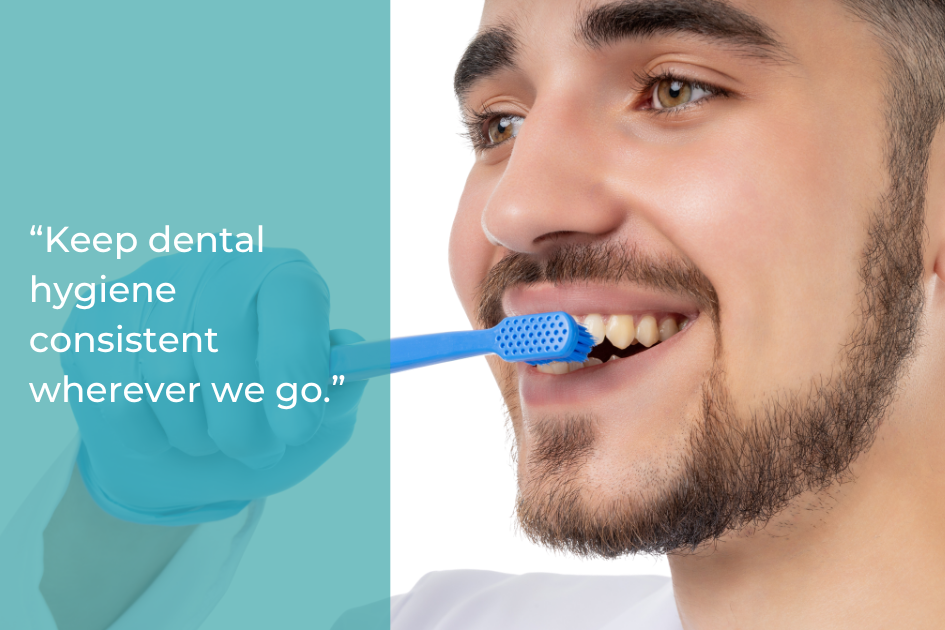
Although spring break gives us a welcome break from routine, travel often disrupts daily oral care, and even short lapses can speed plaque buildup and raise the risk of sensitivity or cavities. When we shift into a vacation mindset, we snack more often, sip sugary drinks, and fall asleep without brushing, which quickly changes the oral environment. Our goal is simple: keep dental hygiene consistent wherever we go. With practical travel tips, packing a toothbrush, fluoride toothpaste, floss, and a small bottle of water for rinsing, we can protect enamel and limit bacterial growth between meals. We’ll focus on realistic, evidence-based healthy habits that fit carry-ons, hotel bathrooms, and long car rides. If you need guidance before or after travel, Pecan St Dental can help us stay on track year-round.
Why Oral Health Matters Even on Vacation
Staying consistent with our travel kit matters because oral health can change quickly when we’re away from home. When oral hygiene slips, plaque buildup accelerates within days, fueling bacteria growth that raises cavity and gum inflammation risk. Vacation stress and irregular schedules also make dental neglect more likely, so small lapses compound fast. Travel diets often add frequent sugars and acidic snacks, which feed microbes and soften enamel. Dehydration, common with flights, sun, and alcohol, reduces saliva’s protective buffering, increasing decay risk and sensitivity. If we wait until we’re back, early problems can progress into pain, infection, or fractured fillings. Preventive habits take minutes and are evidence-based, while post-trip repairs cost more time, discomfort, and money overall.
Pack a Travel-Friendly Oral Care Kit
Five small items cover most travel risks: a toothbrush with a protective cover, fluoride toothpaste, floss (or floss picks), and travel-size mouthwash, with sugar-free gum and any extra aligners or a nightguard as smart add-ons. These Travel Dental Essentials help us limit plaque buildup, enamel demineralization, and gum inflammation when routines get disrupted. For Hygiene on the go, we’ll keep the brush dry between uses, store liquids upright in a sealed bag, and replace any item that touches a sink or hotel counter. Our Packing Strategies: pack the kit in an outer pocket for quick access, choose Travel Friendly Products under TSA limits, and add floss picks if water access is limited. These Oral Care Tips reduce risk without overpacking today.
Stick to a Simple Daily Routine
Two habits do most of the heavy lifting for prevention: we’ll brush twice daily and floss at least once a day, even when schedules get chaotic. Keep the steps simple and repeatable so we’re more likely to stay consistent and reduce plaque buildup.
Quick tips: anchor our Morning routine to an existing cue (after breakfast or before leaving), and lock in Evening habits right before bed. If travel disrupts timing, we’ll set phone alarms as Travel reminders and follow through as soon as we can. Family involvement helps, too. When we commit together, we add accountability and improve follow-through for kids and adults alike. Consistency beats intensity; a straightforward plan lowers the odds of missed brushing and flossing while supporting long-term gum health and cavity prevention.
Watch What You Eat and Drink
When we snack often or sip sugary and acidic drinks throughout the day, especially during travel, we keep feeding plaque bacteria and repeatedly drop the mouth’s pH, which raises cavity risk and can weaken enamel. Our goal is fewer sugar and acid exposures, not perfection. For snack choices, we can pack nuts, cheese, and whole fruit instead of candy or crackers. We’ll practice mindful eating by sticking to planned meals and limiting grazing between stops. For beverage alternatives, we should choose water most of the time and skip soda, sports drinks, and frequent juice. If we do have something acidic, we’ll keep it to mealtimes. These travel tips support nutrition balance: we can still enjoy treats, just less often and with awareness.
Rinse and Protect When You Can’t Brush
If we can’t brush right after eating, we can still reduce cavity risk by quickly neutralizing acids and clearing food debris. We’ll start with hydration benefits: swish with plain water after meals or snack choices to dilute acids and dislodge particles. If we’ve had acidic foods or drinks, we shouldn’t brush immediately; we should wait 30 minutes so softened enamel can re-harden. When brushing isn’t possible, alcohol-free fluoride mouthwash works, and mouthwash alternatives include water rinsing or xylitol-containing rinses when available. For added protection, choose gum options like sugar-free, xylitol gum to stimulate saliva and improve buffering. Pair this with simple travel flossing tips: keep floss picks handy to remove trapped food before it feeds plaque.
Protect Your Teeth During Activities
Although sports and outdoor activities build strength and confidence, they also raise the risk of chipped teeth, fractures, and soft-tissue injuries from impact or falls. For Sports safety, we should wear a properly fitted mouthguard during contact sports and high-impact activities; the Mouthguard benefits include cushioning forces, reducing tooth fractures, and lowering lip and cheek lacerations. For Injury prevention, we’ll also protect restorations by keeping helmets and face shields in good condition and avoiding risky stunts when fatigued. Off the field, our Chewing habits matter: don’t chew ice, pens, or hard candy, and don’t use teeth to open packages or bite nails. For Emergency preparation, we can carry dental wax, gauze, and our dentist’s number for quick triage.
Stay Hydrated for Better Oral Health
Beyond mouthguards and safer chewing habits, daily hydration is one of the simplest ways we can protect enamel and keep our mouths healthier. The hydration benefits are measurable: water supports saliva flow, and saliva buffers acids and supplies minerals that strengthen enamel protection between brushings.
On the go, we should sip water regularly to promote bacteria removal by washing away food particles and lowering bacterial load. These travel tips matter most during flights, long drives, and outdoor activities, when dry air and mouth breathing reduce saliva. We can pack a refillable bottle, set reminders, and choose water over sugary or acidic drinks. When available, we should prioritize fluoridated water as a practical fluoride source, since fluoride helps harden enamel and reduce decay risk.
If You’re Using Invisalign or Dental Appliances
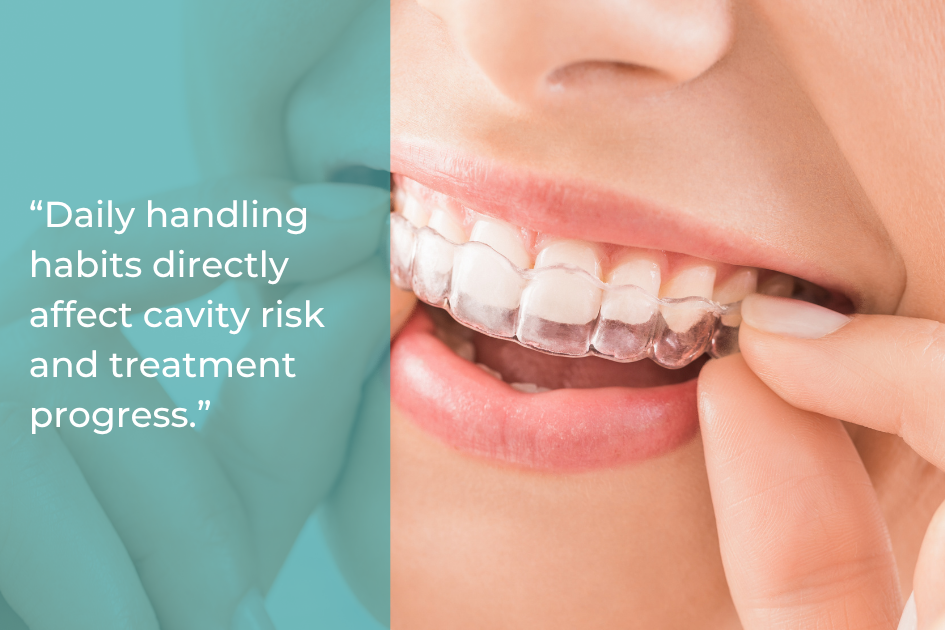
Whether we’re wearing Invisalign aligners, retainers, or other dental appliances, daily handling habits directly affect cavity risk, gum inflammation, and treatment progress. For Aligner maintenance, we’ll keep appliances clean, rinse after removal, and store them in a ventilated case, never loose in a pocket or napkin. Our Travel tips are simple: pack a case, a soft brush, floss, and approved cleaning supplies so we can clean on schedule. We’ll remove aligners before eating, then make smart Snack choices that limit sticky sugars and frequent grazing. To protect Oral hygiene, we’ll brush and floss before reinserting trays to prevent trapping plaque against enamel. Finally, we’ll use Treatment reminders, phone alarms, or a routine to stay on a wear-time schedule and avoid delays.
Know What to Do in a Dental Emergency While Traveling
When a dental emergency hits while we’re traveling, how we respond in the first few minutes can limit pain, swelling, and further damage. For dental emergencies like a chipped tooth, toothache, or lost filling, we’ll start with simple first aid: rinse the mouth with clean water, then check for debris and bleeding. If swelling starts, we’ll apply a cold compress to the outside of the cheek in short intervals for pain relief. If a tooth chips, we’ll save any broken pieces in a clean container. We won’t ignore symptoms; worsening pain can signal infection or nerve involvement. As practical travel tips for tooth care, we’ll contact a local dentist promptly and follow up with Pecan St. Dental after returning home.
Schedule a Checkup Before or After Your Trip
Travel first aid can stabilize a problem, but it can’t replace a thorough exam, so we’ll protect our teeth by scheduling a checkup before or after the trip. The Checkup benefits are practical: pre-trip Oral assessments can catch hidden decay, loose restorations, or gum inflammation before they flare mid-flight. Smart Travel timing also supports prevention; book far enough ahead to complete any needed care, or plan a visit soon after you return.
- Use Scheduling tips: choose an appointment 2–3 weeks before departure for follow-up time.
- Get a professional cleaning to reset your oral health baseline and reduce biofilm.
- Schedule post-trip evaluations to address sensitivity, chips, or bleeding and reinforce travel-proof habits.
How Pecan St Dental Supports Your Smile Year-Round
Because oral disease progresses quietly between visits, we’ll protect our teeth more effectively with year-round support from Pecan St. We use risk-based exams, digital diagnostics, and professional cleanings to reduce decay and gum inflammation before symptoms appear. Our Preventive strategies prioritize fluoride, sealants when indicated, and coaching on brushing, interdental cleaning, and diet triggers that drive enamel loss.
When travel mishaps happen, we provide Emergency support with an after-hours hotline and extended hours, so pain, fractures, or swelling don’t escalate. We also build Personalized plans that fit your schedule and medical history, helping you stay consistent with recalls and home routines. For Family care in Pflugerville, we coordinate visits and tailor guidance by age. That continuity creates year-round maintenance and steadier oral health outcomes.
Conclusion
Travel shouldn’t derail our oral health. Nearly 1 in 3 adults has untreated tooth decay, and disrupted routines can worsen it quickly. If we pack a compact kit, brush twice daily with fluoride toothpaste, floss once, and limit frequent sugary or acidic snacks, we reduce risk even on the go. Let’s protect saliva with water and plan for aligners or emergencies. A pre- or post-trip checkup helps us catch issues early and prevent pain, so before your next trip, build your travel dental kit today and schedule a quick dental checkup to keep your smile healthy on the road.
